Beneficial Treatment Possibilities for Hip Dysplasia in Dogs
Hip dysplasia is a typical medical condition in dogs that can tremendously alter their life satisfaction. Diverse treatment methods fluctuate, often necessitating a bespoke tactic for each patient. Non-invasive management can alleviate clinical signs, but operative intervention might be mandatory in more critical cases. Understanding the finer points of both therapeutic avenues is critical for devoted pet owners. What circumstances should be reviewed when choosing the most suitable strategy for a much-loved pet?
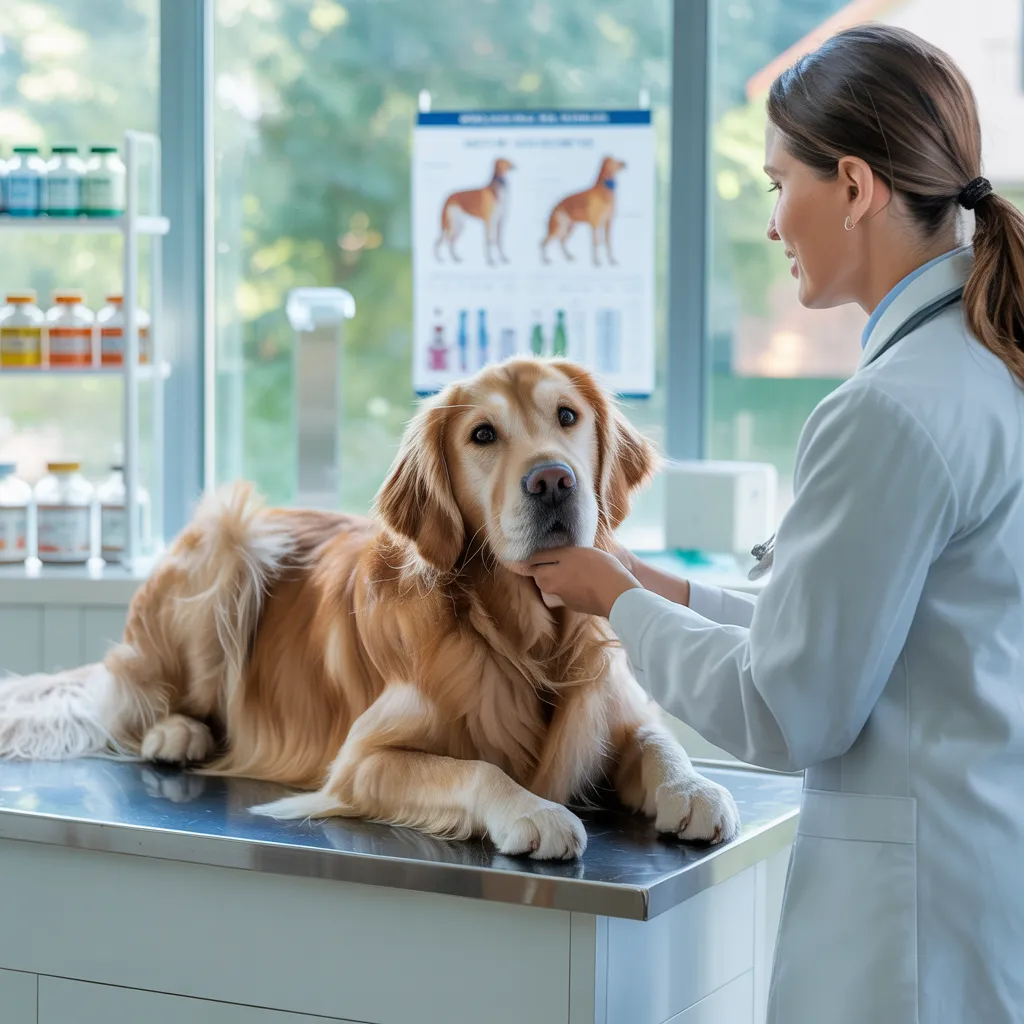
Comprehending Hip Joint Condition in Dogs
Hip dysplasia is a common orthopedic condition affecting many dog breeds. This genetic issue develops when the hip joint does not fit properly into the hip socket, producing joint instability and potential arthritis as the dog ages. Various types, particularly larger ones like German Shepherds and Golden Retrievers, are more inclined to this condition. Environmental factors, such as nutrition and activity levels, can compound the severity of hip dysplasia. The condition may become apparent at an early age, but symptoms often become more evident as the dog matures. While it can affect any dog, the degree of impact ranges widely among individuals. Understanding the implications of hip dysplasia is vital for responsible dog ownership, as early intervention can greatly improve a dog's quality of life. Noticing the breed predispositions and potential lifestyle influences is key for effective management and treatment strategies in affected dogs.
How to Recognize Symptoms and Obtain a Medical Diagnosis?
Recognizing the indicators of hip dysplasia in dogs is vital for timely treatment and effective treatment. Frequent symptoms include trouble with mobility, hesitation to engage in activity, and apparent distress. A thorough veterinary assessment, often reinforced by advanced imaging methods, plays a crucial part in establishing the diagnosis and guiding appropriate care.
Regular Red Flags to Track
When a dog starts displaying alterations in movement or conduct, it may signal underlying issues such as hip dysplasia. Typical signs include difficulty rising, reluctance to engage in physical activities, and visible lameness or rigidity, particularly after exercise. Dogs may display a reduced mobility in the hips and exhibit signs of pain when touched in that area. Additionally, some may prefer to lie down more often or display review now pain when climbing stairs. A distinctive hopping movement can also be observed, especially during running. Pet parents should remain vigilant for these indicators, as prompt identification can result in quick professional assessment and more effective management of the condition.
Diagnostic Visualisation Techniques
Correct diagnosis of hip dysplasia in dogs usually relies on advanced diagnostic imaging techniques. Veterinarians often employ radiographs (radiographs) to examine the hip joint's structure, showing abnormalities like joint looseness and malformation. In certain situations, extra imaging modalities such as ultrasound or computed tomography (CT) might be utilized for a more comprehensive review of soft tissue and bone. Magnetic resonance imaging (MRI) can also deliver in-depth insights, particularly in complex cases. These imaging techniques are crucial for confirming a diagnosis, measuring the severity of the condition, and selecting the best treatment plan. Early and precise imaging not only supports effective management but also aids in forecasting potential issues tied to hip dysplasia in dogs.
The Significance of Animal Health Evaluation
In what ways can pet owners accurately spot the signs of hip dysplasia in their dogs? Early detection of signs is important for prompt intervention. Common signs include difficulty standing up, a reluctance to jump or climb stairs, and decreased activity levels. Owners might additionally observe a waddling gait or pain upon being touched near the hip region.
health status.
Guidelines to Control Hip Dysplasia Conservatively
Managing hip dysplasia through non-surgical approaches can greatly enhance a dog's overall well-being. This approach typically involves maintaining proper weight, as maintaining a healthy weight decreases stress on the joints. Consistent gentle physical activity, such as aquatic therapy or leisurely strolls, helps build up muscles around the hip area without excessive strain.
Furthermore, physical therapies, comprising hydrotherapy and massage, can boost flexibility and minimize soreness. Health supplements, such as glucosamine and omega-3 fatty acids, maintain joint wellness and lower inflammatory response.
Pet owners may also consider using supportive sleeping surfaces and inclines to reduce strain throughout daily routines. Providing a comfortable home setting, with convenient reach to meals, water, and rest zones, can additionally improve a canine's health and comfort.
When should you consider the possibility of Surgery for Hip Dysplasia?
When a canine's well-being is severely impacted by hip dysplasia, surgical intervention may be necessary. Veterinarians usually recommend surgery when non-invasive treatments, such as weight management and physical therapy, do not ease discomfort or improve mobility. Signs that surgery is needed include persistent limping, problems standing, and reduced activity levels.
The decision to move forward with surgical treatment often copyrights on the dog's age, severity of the condition, and overall health. Surgical possibilities range from femoral head ostectomy to total hip replacement, fitted to the specific needs of the dog. Additionally, early treatment can lead to better consequences, as younger dogs are inclined to recover more effectively. Ultimately, the choice should involve a thorough deliberation between the veterinarian and the pet owner, assessing the potential positives against the perils and costs tied to the surgical procedures.
Understanding How Holistic Therapies Assist Recovery From Hip Dysplasia
Post-surgical intervention for hip dysplasia, alternative healing methods can play a significant role in enhancing recovery and improving overall well-being. These therapies, including acupuncture, physical therapy, and hydrotherapy, can mitigate pain, reduce inflammation, and encourage movement in affected dogs.
Acupuncture has been shown to stimulate the discharge of endorphins, providing natural pain relief and encouraging healing. Physical therapy, customized to the dog's specific needs, can reinforce muscles around the hip joint, improving stability and function. Hydrotherapy provides low-impact exercise, allowing dogs to develop muscular power and endurance without putting undue stress on their joints.
Furthermore, dietary supplements like glucosamine and omega-3 fatty acids can support joint health and minimize inflammation. By including these holistic treatments into the recovery plan, pet owners can help their dogs regain their quality of life and improve their overall physical and emotional health post-surgery.
Recommendations for Dealing with Your Dog's Hip Dysplasia at Home
Managing a dog's joint condition at home necessitates careful attention to nutrition and activity levels. Implementing specific dietary plans can help support joint function, while modifying activity schedules guarantees that exercise remains safe and beneficial. These strategies are essential for boosting the dog's quality of life and overall well-being.
Dietary Support Methods
A healthy diet helps significantly with managing hip dysplasia in dogs. Including top-tier protein sources is necessary for maintaining muscle mass, which supports joint stability. Additionally, adding omega-3 fatty acids from fish oil can help reduce inflammation and support joint health. Antioxidants, such as vitamins C and E, may also promote cartilage health and overall joint function. It is wise to track caloric intake to avoid obesity, as excess weight can exacerbate joint strain. Supplements like glucosamine and chondroitin may further enhance joint support. Consulting a veterinarian can ensure that the dog's nutritional needs are met while handling specific health conditions associated with hip dysplasia, leading to improved quality of life.
Exercise Modification Techniques
Implementing exercise modification techniques is crucial for dogs with hip dysplasia. Adjusting exercise amounts can prevent too much pressure on the joints. Short, managed walks are more beneficial to long hikes, allowing for regular movement without overexertion. Low-impact activities, such as swimming or soft play, can promote muscle strength while minimizing strain on the hips. Owners should observe their dog's behavior to exercise, ensuring any signs of discomfort are addressed promptly. Incorporating rest days is necessary to avoid fatigue and support recovery. Additionally, utilizing supportive gear, like harnesses, can aid mobility during walks. Adapting exercises to suit the dog's individual needs fosters a healthy routine, ensuring their comfort and well-being while managing hip dysplasia effectively.
Frequently Asked Questions
Can Hip Dysplasia Be Inherited in Dogs?
Hip dysplasia may certainly be inherited in dogs. Hereditary tendencies has a significant role, with certain breeds being more susceptible. Ethical breeding standards and genetic testing can help reduce the incidence of this condition.
Which Dog breeds Are Highly Vulnerable to Hip Dysplasia?
Specific breeds, including German Shepherds, Golden Retrievers, and Bulldogs, are notably at risk to hip dysplasia. Hereditary factors and overall skeletal makeup greatly impact the rate of this condition within these designated dog breeds.
What Part Does Diet Play in My Dog's Hip Dysplasia?
Diet significantly impacts a dog's hip dysplasia by determining body weight regulation and joint integrity. Adequate diet can help preserve an healthy weight, minimizing strain on joints, while particular vitamins may improve cartilage integrity and complete range of motion.
Which specific exercises are beneficial for pets with hip dysplasia?
Dogs suffering from hip dysplasia gain from particular activities including low-impact activities like swimming and walking on soft surfaces. These exercises develop muscle, improve joint stability, and enhance overall mobility, curtailing discomfort and advancing a healthier lifestyle.
What Long-Term Effects Should We Anticipate With Hip Dysplasia?
Long-term prognosis for dogs with hip dysplasia vary. Many dogs experience manageable pain and better movement through lifestyle modifications and treatments. However, some may acquire arthritis, resulting in reduced quality of life over time.